
The psychology of risk Understanding the mental triggers behind gambling behavior
The Allure of Uncertainty
The excitement of gambling often stems from the thrill of uncertainty. The unpredictability of outcomes plays a critical role in attracting individuals to various forms of gambling, from poker to slot machines. This appeal is deeply rooted in human psychology, where the brain releases dopamine in response to potential rewards. Additionally, many players are drawn to options like Big Candy Casino, which enhances the anticipation of winning and creates a rush of adrenaline similar to extreme sports.
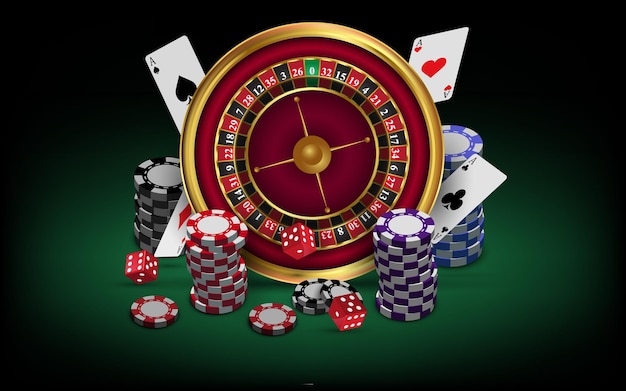
Moreover, the concept of uncertainty keeps players engaged. The possibility of a big win, even if it’s slim, can overshadow previous losses. This phenomenon, known as ‘loss aversion’, suggests that individuals often prefer the chance of winning a small prize over the certainty of a loss, which can lead to continued gambling despite unfavorable odds.
The Role of Cognitive Biases
Cognitive biases are systematic patterns of deviation from norm or rationality in judgment, and they play a significant role in gambling behavior. One prevalent bias is the illusion of control, where gamblers believe they can influence the outcome of random events. This belief may lead players to take higher risks, thinking they can predict outcomes or manipulate results.
Another common cognitive bias is the gambler’s fallacy, where individuals mistakenly believe that past events affect future outcomes. For instance, a player might think that a slot machine is ‘due’ for a payout after a series of losses. Such biases can skew perceptions of probability, leading to continued gambling despite a lack of rational justification.
The Emotional Rollercoaster
Gambling can elicit a wide range of emotions, from excitement to despair. This emotional rollercoaster can reinforce gambling behavior, as players chase the highs associated with winning and attempt to recover from the lows of losing. The highs often prompt individuals to return for more, driven by the desire to recapture that exhilarating feeling.
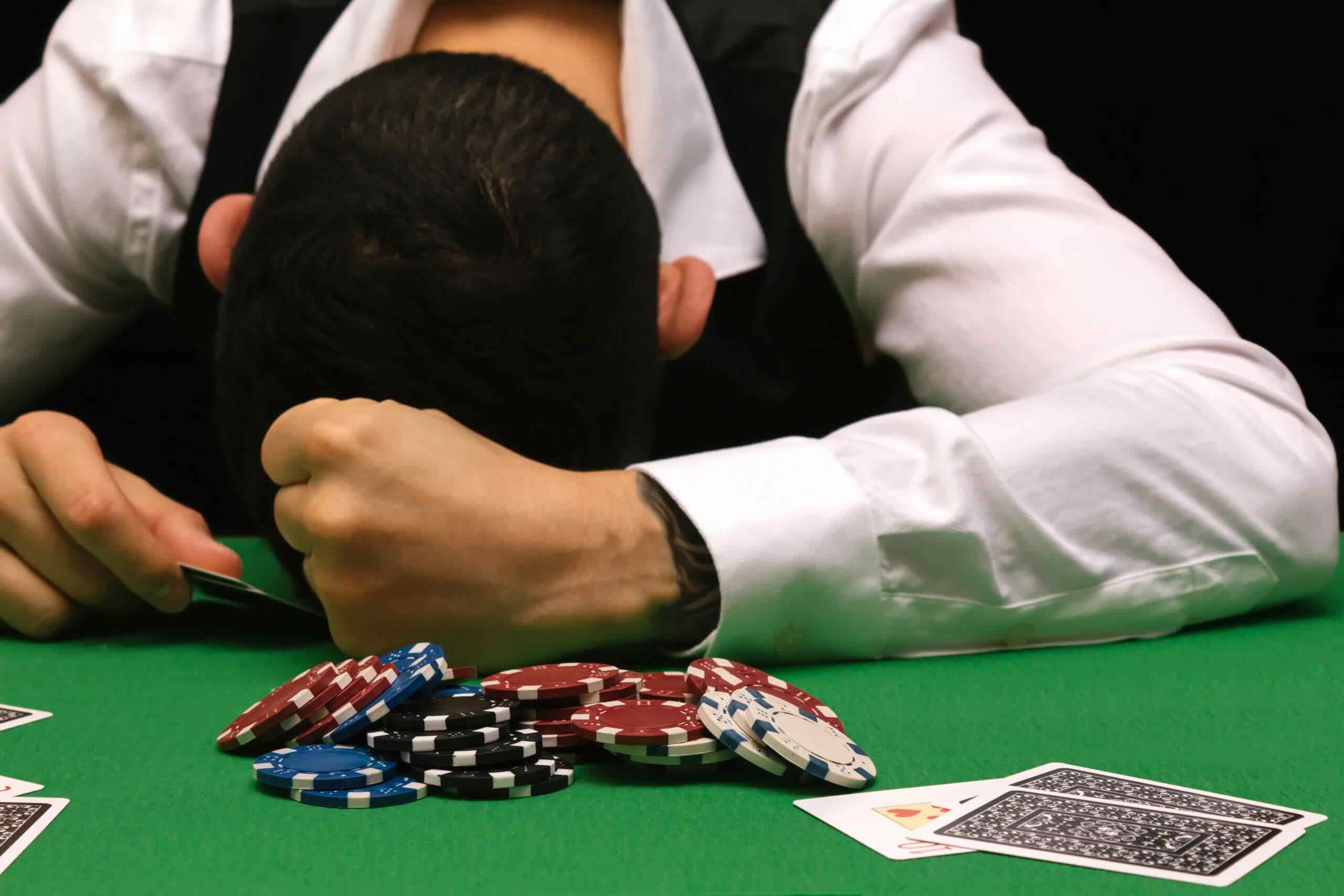
Additionally, emotions such as frustration or stress may lead individuals to gamble as a coping mechanism. This behavior can create a cycle where gambling is used as a way to escape negative feelings, further entrenching individuals in their gambling habits.
The Social Aspect of Gambling
Social influences significantly affect gambling behaviors. Many people are introduced to gambling through friends or family, creating a sense of community around the activity. This social acceptance can reinforce gambling as a normal part of leisure, encouraging individuals to participate even when they might not have initially been interested.
Moreover, the rise of online gambling platforms has intensified this social aspect. Players can interact with others in real-time, share their experiences, and even discuss strategies, which can create a sense of belonging. This communal aspect can make it easier for individuals to overlook the risks involved, focusing instead on the social enjoyment that comes with gambling.
Big Candy Casino: A Safe Playground for Gamblers
Big Candy Casino provides a vibrant online gaming experience for Australian players, designed with a focus on security and fair play. It offers a variety of engaging games, from pokies to table games and live dealer options, catering to a wide range of preferences and skill levels. The user-friendly interface enhances the gaming experience, making it easy for beginners to navigate.
With enticing bonuses and fast payouts, Big Candy Casino aims to create an enjoyable atmosphere for players. By prioritizing a safe environment, it allows users to immerse themselves in the fun of gaming without compromising their security. This focus on a secure and engaging experience helps address some of the psychological triggers associated with gambling, allowing for responsible play.