
Gambling’s cultural significance Understanding its role in society
The Historical Context of Gambling
Gambling has deep-rooted historical significance that stretches across cultures and civilizations. From ancient China’s dice games to the betting systems in ancient Rome, gambling has served as a form of entertainment and a social activity. It has been embedded in various cultural rituals, representing luck, fate, and fortune. This historical perspective highlights how gambling evolved, adapting to societal norms and technological advancements throughout the ages. Today, enthusiasts can enjoy the game by exploring Plinko, a modern twist on traditional gameplay.
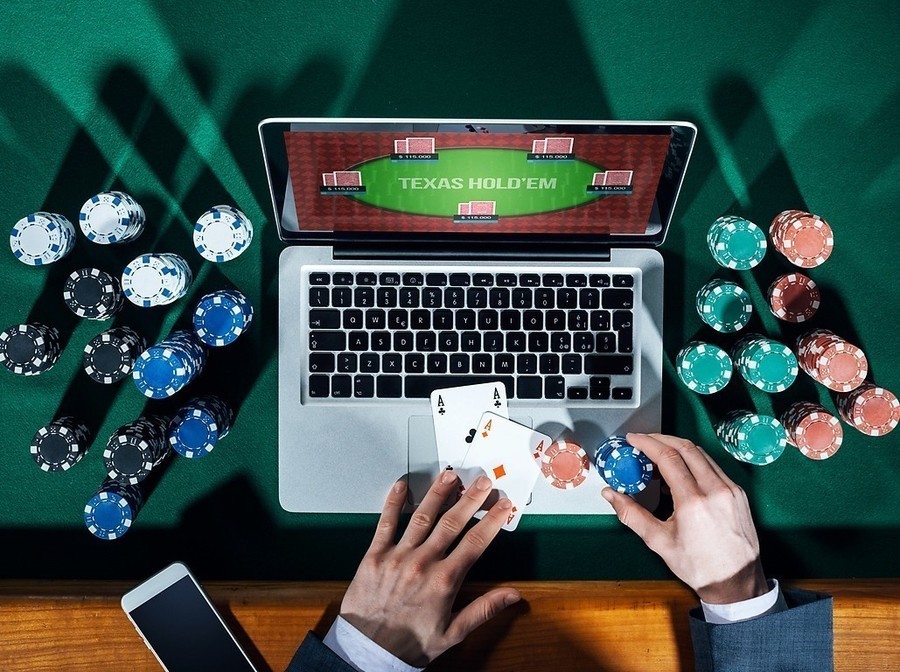
As societies progressed, the role of gambling shifted, influenced by legal frameworks and ethical considerations. In many cultures, it transitioned from a taboo activity to a regulated form of entertainment. This transformation not only reflects changing attitudes but also emphasizes the duality of gambling as both a source of joy and a potential vice, underscoring its complex cultural significance.
Gambling and Social Interactions
Gambling functions as a social lubricant, bringing people together in both physical and digital spaces. Social games, such as poker and bingo, foster connections among participants, creating communal experiences. These interactions are amplified in modern settings, where online platforms enable users to engage with others globally, transcending geographical boundaries. The rise of online plinko games exemplifies how digital environments can enhance social dynamics.
This communal aspect of gambling facilitates bonding and shared excitement. It cultivates camaraderie among players, allowing individuals to celebrate wins together and support each other during losses. The social dynamics inherent in gambling make it a unique cultural phenomenon that can strengthen relationships while also posing risks of addiction and social isolation.
The Psychological Appeal of Gambling
The allure of gambling lies in its psychological appeal, tapping into fundamental human desires for excitement, risk, and reward. The thrill of uncertainty evokes a dopamine response, which reinforces the behavior and leads to repeated engagement. This psychological aspect is pivotal in understanding gambling’s cultural significance as it intertwines with notions of chance and skill, especially in the context of plinko online where strategy plays a crucial role.
Moreover, gambling can serve as an escape from daily stresses, providing an outlet for individuals seeking excitement in their lives. However, this escape can lead to problematic behaviors if not approached responsibly. Recognizing the psychological aspects of gambling is crucial in promoting healthy habits and ensuring that players are aware of their limits.
Responsible Gambling in Modern Society
In contemporary society, the conversation around gambling is increasingly centered on responsible practices. With the growth of online gambling platforms, the need for awareness and education on the risks associated with gambling has become paramount. Initiatives aimed at promoting responsible gambling encourage players to set limits, recognize the signs of addiction, and seek help when necessary.
The integration of technology has also played a role in responsible gambling efforts. Many online platforms now offer tools and features designed to help players maintain control over their gaming habits. By focusing on education and support, society can harness the positive aspects of gambling while mitigating its potential harms, fostering a healthier relationship with this age-old activity.

Exploring the World of Online Gambling
As technology advances, online gambling has surged in popularity, transforming the traditional gambling landscape. Platforms that offer games like plinko cater to a wide audience, allowing players to engage from the comfort of their homes. The convenience and accessibility of online gambling have attracted diverse demographics, making it a significant part of modern culture.
Online gambling not only embodies the thrill of chance but also serves as a platform for education and strategy. Players can explore different games, understand their mechanics, and develop strategies to enhance their experience, particularly when they take on the plinko game online, ensuring that entertainment remains engaging and responsible.